In 2026, saree fashion is no longer just about looking good—it’s about making conscious choices in India. Across India and even globally, shoppers are moving toward authenticity, sustainability, and cultural value. One of the biggest beneficiaries of this shift is the handloom saree industry. Once seen as traditional and occasional wear,now a days handloom sarees are now reclaiming center stage in wardrobes, weddings, workplaces, not only India but also on international runways.
So, what’s driving this comeback? Let’s explore.
- The Rise of Conscious Fashion
Resent time, Consumers are increasingly aware of environmental damage caused by mass production. Synthetic fabrics, chemical dyes, and factory waste have pushed buyers to look for eco-friendly alternatives.
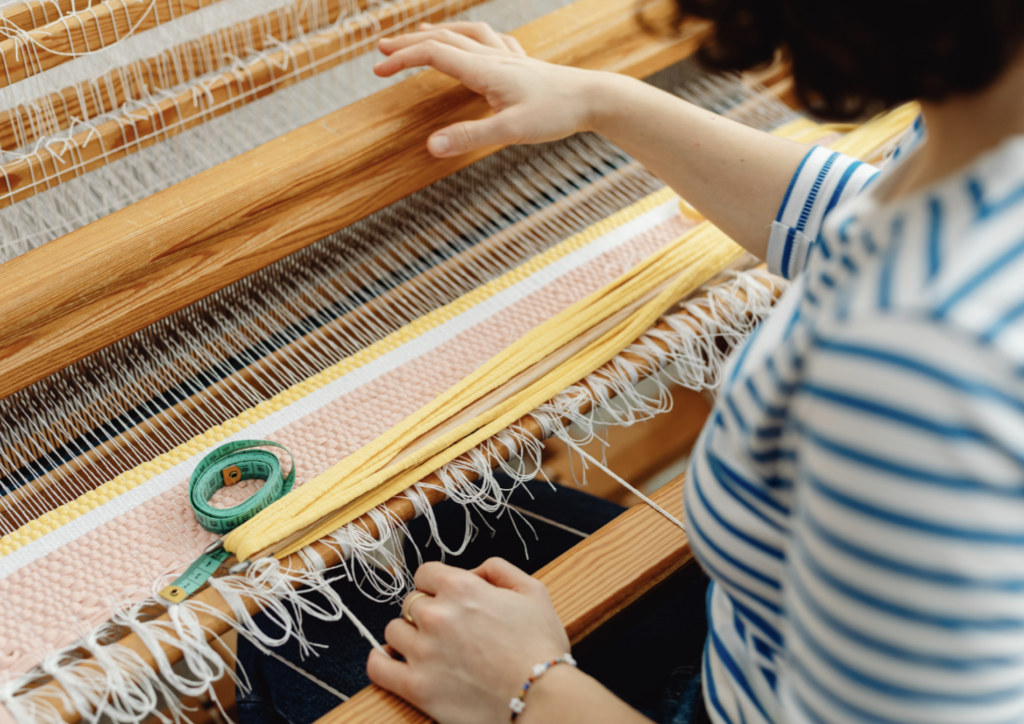
Handloom sarees, basically woven using silk and cotton like natural meterial, are produced in small batches with minimal machinery. Regions like Varanasi, Kanchipuram, and Pochampally continue to preserve weaving traditions passed down for generations. Each saree tells a story—of artisans, heritage, and sustainability.
In 2026, buyers are not just purchasing a product; they are investing in craftsmanship and ethical fashion.
- Government and “Vocal for Local” Momentum
The “Vocal for Local” movement has significantly boosted India’s handloom sector. Government initiatives promoting handloom exhibitions, online marketplaces, and GI (Geographical Indication) tags have strengthened consumer trust.
Customers now actively seek authentic Banarasi, Kanjeevaram, Ikat, and Chanderi weaves. This growing pride in Indian heritage has transformed handloom sarees into symbols of cultural identity.
- Celebrity and Influencer Influence
Fashion trends often follow celebrities—and handloom sarees are no exception. Bollywood actors, politicians, and influencers regularly appear in traditional weaves at weddings, festivals, and red-carpet events.
When public figures choose handloom sarees over designer gowns, it sends a powerful message: tradition is timeless. Social media platforms like Instagram and Pinterest have amplified this movement, making handloom styling aspirational and trendy.
- Bridal Fashion is Going Traditional Again
For a few years back, lightweight designer sarees and fusion wear dominated bridal fashion. But in 2026, brides are returning to her traditional roots.
Classic handwoven silks—especially from Varanasi and Kanchipuram—are back in demand. Brides are choosing heirloom-quality sarees that can be passed down generations.
Heavy zari borders, temple motifs, and rich silk textures are now considered investments rather than expenses.
- The Emotional Value of Handloom
Unlike machine-made sarees, no two handloom sarees are exactly identical. Minor irregularities in weaving are not defects—they are proof of human artistry.
Customers in 2026 value uniqueness. Owning a handloom saree feels personal and meaningful. It reflects culture, roots, and individuality. This emotional connection is something mass-produced garments cannot replicate.
- Growth of Women Entrepreneurs in the Saree Business
Another reason behind the handloom comeback is the rise of home-based saree businesses. Many women entrepreneurs are sourcing directly from weaving hubs and selling via Instagram, WhatsApp, and Shopify.
By connecting artisans directly with customers, these small businesses are:
Eliminating middlemen
Offering better prices
Educating buyers about authenticity
This digital transformation has made handloom sarees more accessible than ever before.
- Sustainability and Slow Fashion Appeal
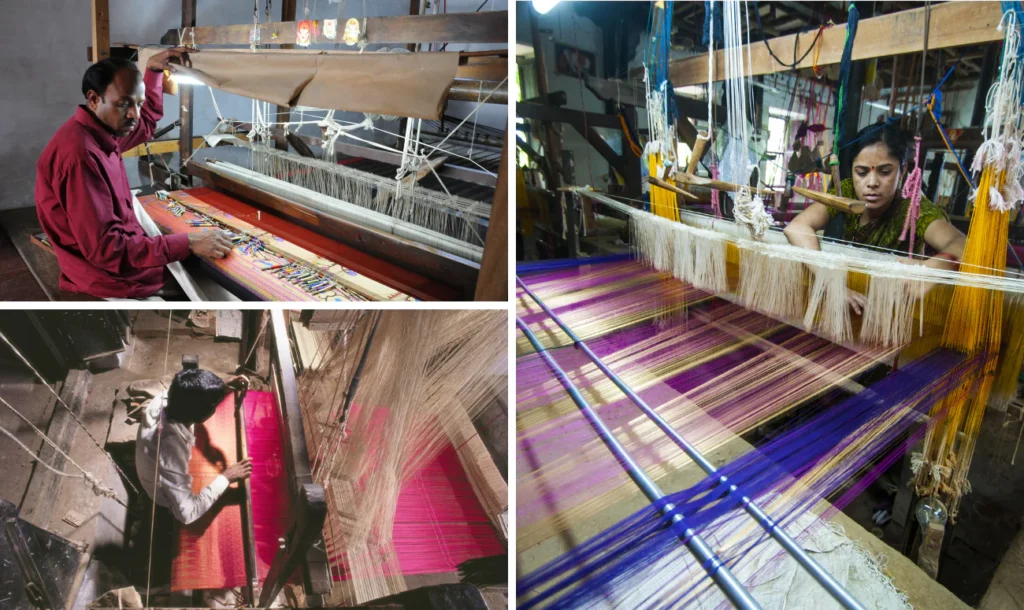
Handloom production consumes significantly less electricity compared to power loom manufacturing. Many weavers use traditional dyeing methods and natural fibers, making these sarees environmentally friendly.
In 2026, sustainability is not a niche—it’s mainstream. Buyers are asking:
Who made my clothes?
What materials were used?
Is this ethically sourced?
Handloom sarees answer these questions confidently.
- Corporate and Office Wear Revival
Earlier, handloom sarees were reserved for weddings and festivals. Today, professionals are styling lightweight cotton and linen handloom sarees for office wear.
Minimal borders, pastel shades, and breathable fabrics make them comfortable and elegant. This shift has expanded the customer base beyond bridal and festive shoppers.
- Customization and Modern Styling
Designers and boutiques are blending tradition with modern tastes:
Contemporary blouse designs
Belted saree looks
Pre-stitched drapes
Fusion styling
Traditional weaves are now adaptable to modern aesthetics. This flexibility keeps handloom sarees relevant for younger audiences.
- Investment Value and Heirloom Appeal
A genuine handloom silk saree can last decades when maintained properly. Unlike fast fashion outfits that fade after a few washes, handloom sarees appreciate in emotional and sometimes monetary value.
Many families treat sarees from heritage centers like Varanasi as heirlooms. They are passed from mothers to daughters, carrying stories across generations.
This long-term value aligns perfectly with 2026’s mindful buying behavior.
Challenges Still Exist
Despite the comeback, challenges remain:
Competition from cheaper power loom copies
Price sensitivity in some markets
However, increasing digital education and certification programs are helping bridge this gap.
The Future of Handloom Sarees
The handloom industry in 2026 is not just surviving—it’s evolving. With digital marketing, and global appreciation for Indian textiles, the future looks promising.
As sustainability becomes a priority and cultural pride strengthens, handloom sarees are transforming from “traditional attire” into a international fashion statement.
Conclusion
The comeback of handloom sarees in 2026 is not a coincidence. It is driven by conscious consumers, empowered entrepreneurs, bridal revival trends, sustainability awareness, and cultural pride.

Leave a Reply